
 English

Our team is committed to providing high-performance energy solutions tailored to your needs. To initiate further communication, kindly submit a formal inquiry for the product(s) of your interest.



Our team is committed to providing high-performance energy solutions tailored to your needs. To initiate further communication, kindly submit a formal inquiry for the product(s) of your interest.
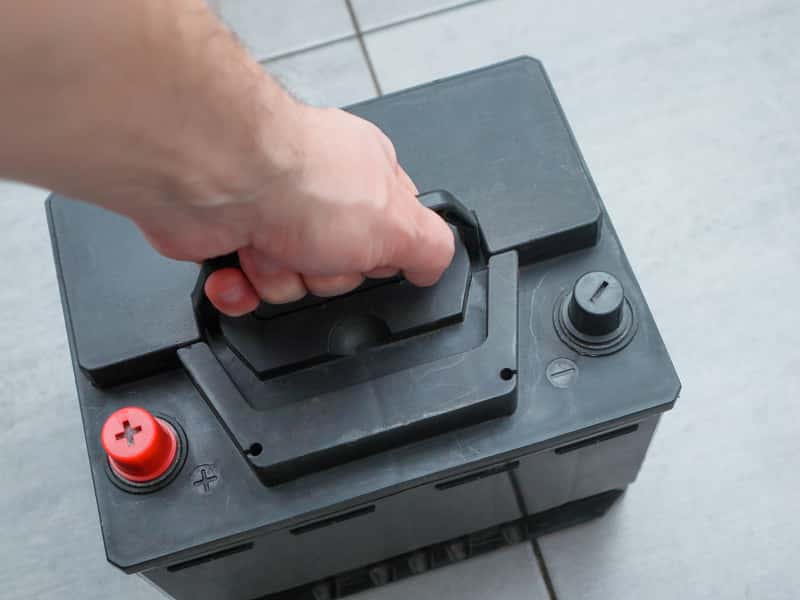
Lithium batteries are gradually replacing lead-acid batteries in the electric vehicle sector, but this process is not absolute. It is influenced by technological advancements, policy orientations, and market factors. The following analysis examines the current trend from multiple perspectives.
Performance advantages and market growth: Lithium batteries significantly outperform lead-acid batteries in terms of energy density, weight, and charging speed. For instance, their energy density can be 3-4 times that of lead-acid batteries, providing longer driving range in the same volume, and they support fast charging, recovering 80% of the battery's capacity in just 30 minutes. Additionally, enterprises like BYD Lithium Batteries have launched electric vehicle-grade lithium batteries, which enhance safety through the blade battery technology. The cycle life of car lithium ion phosphate batteries exceeds 2,000 times, and the theoretical lifespan is up to 8-10 years, further strengthening their competitiveness.
Policy Impact and Market Fluctuations: The policy is beneficial for lead-acid batteries. For instance, the new national standard in 2025 relaxes the weight limit for lead-acid battery models (increasing from 55 kilograms to 63 kilograms), allowing for larger-capacity batteries to enhance range; however, at the same time, it strengthens the regulation of different types of lithium batteries,prohibiting the reuse of used lithium batteries in electric bicycles, and requiring mandatory safety assessment for lithium batteries that have been in use for five years. This has increased the cost and usage threshold of lithium batteries, leading some markets to shift towards lead-acid batteries.
Technology substitution and emerging options: Graphene batteries, as an upgraded version of lead-acid batteries, enhance energy density and lifespan by adding graphene materials. Some products offer a three-year warranty, making them a transitional choice. Sodium batteries, due to their ability to withstand low temperatures (with high capacity retention at -20°C) and abundant resources, are expected to be mass-produced in 2026 and may replace lead-acid batteries in cold regions. Additionally, technologies such as solid-state batteries are also under development but have not yet become widespread.
Regional differences and user choices: In cold northern regions, electric car lithium batteries exhibit significant advantages in low-temperature performance. Uchikoshi's acetonitrile electrolyte technology enables lithium batteries to start vehicles normally at -20℃, while the range of lead-acid batteries may shrink to less than 50%. However, due to their lower cost and higher safety, lead-acid batteries still dominate in some markets. Users need to weigh the initial cost, lifespan, and environmental factors.
Overall, lithium batteries have continued to penetrate the electric vehicle market driven by performance. (48V 60V 72V Li-iron batteries) However, policy adjustments and safety regulations have enabled lead-acid batteries to maintain their competitiveness in certain scenarios. The future market landscape is likely to feature a diversified coexistence of these technologies.
FAQ:
1\ Lithium batteries or lead-acid batteries,Which is safer?
Lead-acid battery: High stability, but be cautious of the risk of sulfuric acid leakage.
Lithium battery: Significantly advanced technology, but requires the use of BMS and proper usage.
Recommendation: Choose based on the usage scenario. For daily use, prioritize brands with official certifications and warranties.
2\ How to use lithium batteries safely?
Always use the original charger to prevent overcharging and overheating.
Avoid exposing the battery to extreme temperatures (below 0°C or above 45°C).
Never puncture, crush, or disassemble the battery to prevent short circuits.
Store the battery at 40%-60% charge in a cool, dry place when not in use.
Immediately stop using the battery if it swells, leaks, or emits unusual heat.

Leave A Message
Scan to Wechat :

Hi! Click one of our members below to chat on