
 English
Our team is committed to providing high-performance energy solutions tailored to your needs. To initiate further communication, kindly submit a formal inquiry for the product(s) of your interest.



Our team is committed to providing high-performance energy solutions tailored to your needs. To initiate further communication, kindly submit a formal inquiry for the product(s) of your interest.
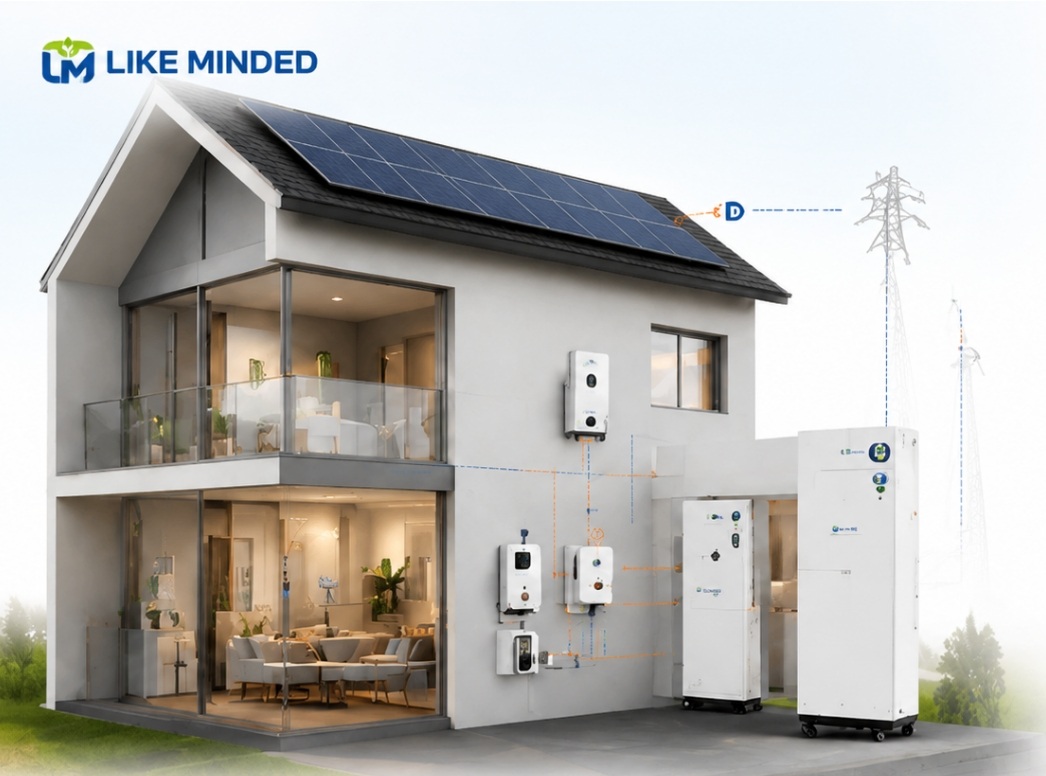
As home energy storage systems become more popular worldwide, one question comes up again and again: how long will my battery actually last? The answer depends less on the brand and more on how you use and maintain it. Whether you're running a solar-plus-storage setup or relying on a battery backup for grid outages, following a few proven practices can significantly extend the service life of your system — and protect your investment for years to come.
One of the most impactful things you can do for a home energy storage battery is to avoid regularly charging it to 100% or draining it completely to 0%. Lithium batteries — including LFP (lithium iron phosphate) and NMC chemistries — experience less stress when kept between 20% and 90% state of charge (SoC). Most modern battery management systems (BMS) allow you to set charge limits directly in the app or inverter settings. Keeping daily cycles within this window reduces electrolyte degradation and slows capacity fade over time.
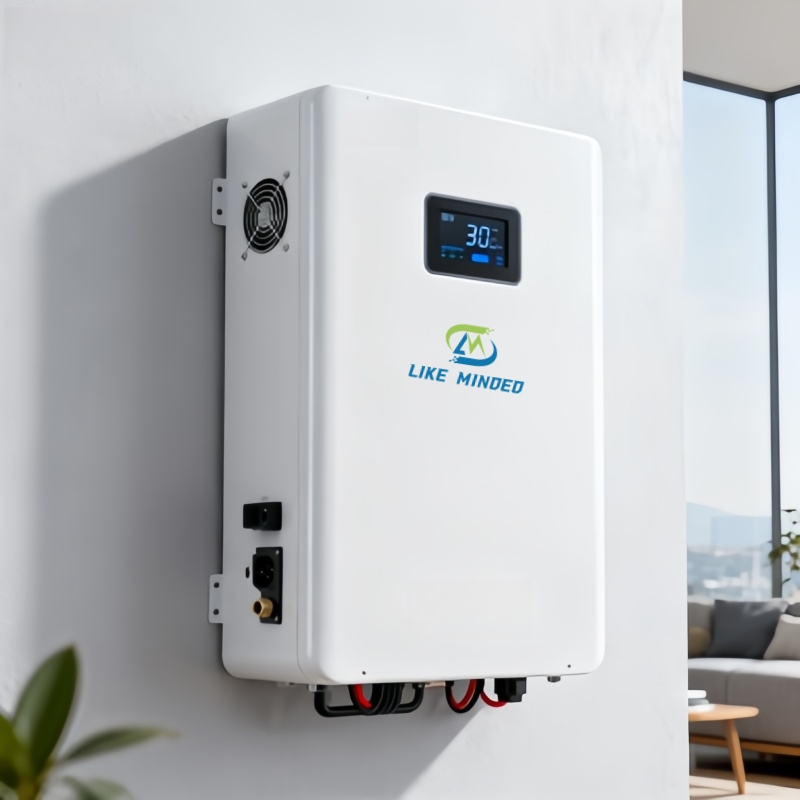
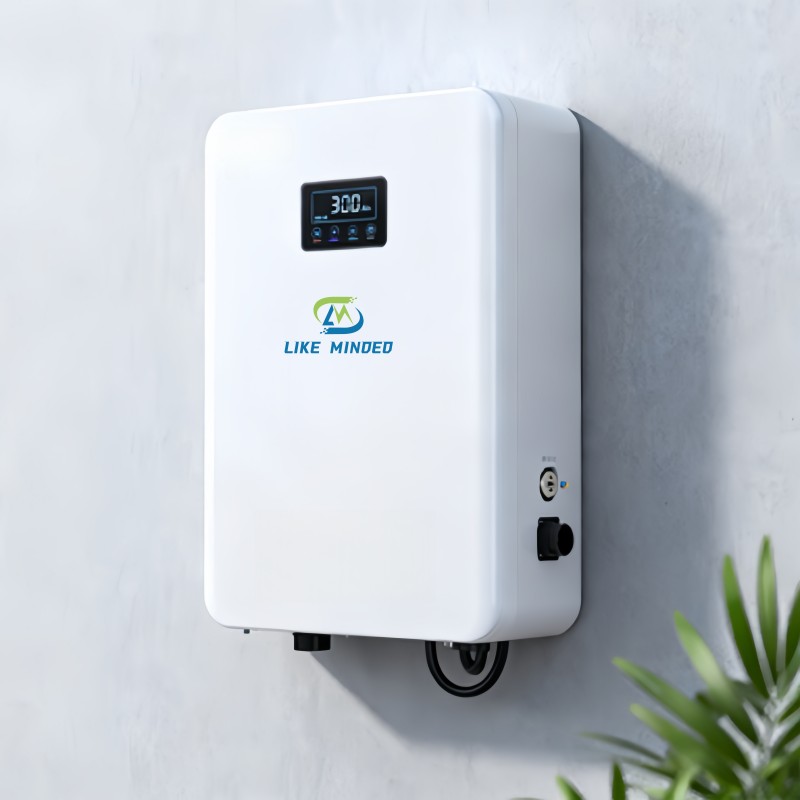
Temperature is one of the biggest enemies of battery longevity. Lithium battery storage systems typically perform best between 15°C and 25°C (59°F–77°F). Sustained exposure to temperatures above 40°C (104°F) accelerates chemical degradation inside the cells. If your battery is installed in a garage, shed, or outdoor enclosure, make sure there is adequate ventilation and shade. In hot climates, consider installing a small ventilation fan or placing the unit on an interior wall away from direct sunlight.
Fast charging is convenient, but consistently pushing your battery at its maximum charge rate creates heat and mechanical stress on the cells. Where possible, configure your system to charge at a moderate rate — especially during the daily solar absorption cycle. Similarly, avoid drawing very high loads from the battery in short bursts unless necessary. Spreading energy use more evenly reduces peak stress and helps the cells cycle more gracefully. This is particularly important for residential battery storage systems that are expected to last 10 years or more.
Battery management systems are the brain of your energy storage setup. Manufacturers regularly release firmware updates that improve charge algorithms, thermal management, and fault detection. Keeping your system updated ensures it operates with the latest optimizations — some of which are specifically designed to extend cycle life. Check your manufacturer's app or web portal periodically, or enable automatic updates if your system supports it.
Just like a car, your home battery benefits from periodic maintenance checks. Once a year, it's worth reviewing:
• Terminal connections for corrosion or looseness
• Capacity retention (compare current usable kWh to rated kWh)
• Error logs in the BMS app for any recurring fault codes
• Physical enclosure integrity, especially in outdoor installations
Catching small issues early — such as a slightly underperforming cell module — can prevent them from affecting the rest of the battery pack.
A well-maintained home energy storage system can deliver reliable performance for 10–15 years or beyond. The key is consistency: keep temperatures stable, charge cycles moderate, and software current. With the right habits in place, your battery investment will pay dividends for far longer than the warranty suggests — powering your home through seasons, storms, and grid fluctuations with minimal degradation.
FAQ
Most high-quality home energy storage batteries are rated for 4,000–6,000 charge cycles, which translates to roughly 10–15 years of daily use under normal conditions. Actual lifespan depends on factors such as operating temperature, depth of discharge, and charge rate. LFP (lithium iron phosphate) batteries generally offer the best cycle life among residential chemistries.
Lithium batteries perform best and degrade most slowly when kept between 15°C and 25°C (59°F–77°F). Sustained exposure to temperatures above 40°C (104°F) accelerates capacity loss, while very cold temperatures (below 0°C / 32°F) can temporarily reduce usable capacity and should be avoided during charging.
It is generally not recommended to charge to 100% on a daily basis unless you need the full capacity for a specific reason, such as an expected power outage. Keeping the daily charge limit between 80% and 90% reduces cell stress and extends long-term capacity retention. Most modern battery systems allow you to set a custom charge ceiling directly in the companion app.
Many home battery systems are rated for outdoor installation (look for IP55 or higher ingress protection). However, outdoor units should be shielded from direct sunlight, heavy rain exposure, and extreme temperature swings. A shaded, ventilated enclosure or a covered wall mount is ideal. Always follow the manufacturer's installation guidelines for your specific climate.
Most battery management systems track capacity over time and display it in the monitoring app. A healthy battery should retain at least 80% of its original capacity after the rated number of cycles. Signs of unusual degradation include shorter backup runtimes than expected, more frequent low-battery warnings, or error codes in the BMS log. An annual capacity check is a good maintenance habit.
Yes — home energy storage systems are specifically designed to provide backup power during grid outages. The battery management system automatically handles the transition and protects against overload. Make sure your system is installed with a proper transfer switch or gateway device to safely disconnect from the grid, as required by electrical codes in most regions.
Manufacturers typically release firmware updates a few times per year. These updates can improve charge algorithms, thermal management, and safety features — all of which contribute to longer battery life. We recommend checking for updates every 3–6 months, or enabling automatic updates if your system supports it.
LFP (lithium iron phosphate) batteries offer superior cycle life, better thermal stability, and improved safety, making them the preferred choice for most home energy storage applications. NMC (nickel manganese cobalt) batteries offer higher energy density in a smaller footprint, which can be advantageous in space-constrained installations. For long-term residential use where lifespan and safety are priorities, LFP is generally recommended.

Leave A Message
Scan to Wechat :

Hi! Click one of our members below to chat on