
 English
Our team is committed to providing high-performance energy solutions tailored to your needs. To initiate further communication, kindly submit a formal inquiry for the product(s) of your interest.



Our team is committed to providing high-performance energy solutions tailored to your needs. To initiate further communication, kindly submit a formal inquiry for the product(s) of your interest.
Both 100Ah and 102Ah square lithium iron phosphate (LFP) cells are mainstream power storage cores for electric vehicles, off-grid energy storage and industrial battery packs. The 102Ah cell delivers slightly higher single-cell capacity for longer runtime, while the 100Ah model features smaller overall dimensions, lower weight and more flexible layout for compact pack designs. Choose 102Ah if you prioritize longer discharge duration with limited installation space; pick 100Ah if your project has strict size and weight restrictions.
Key Takeaways
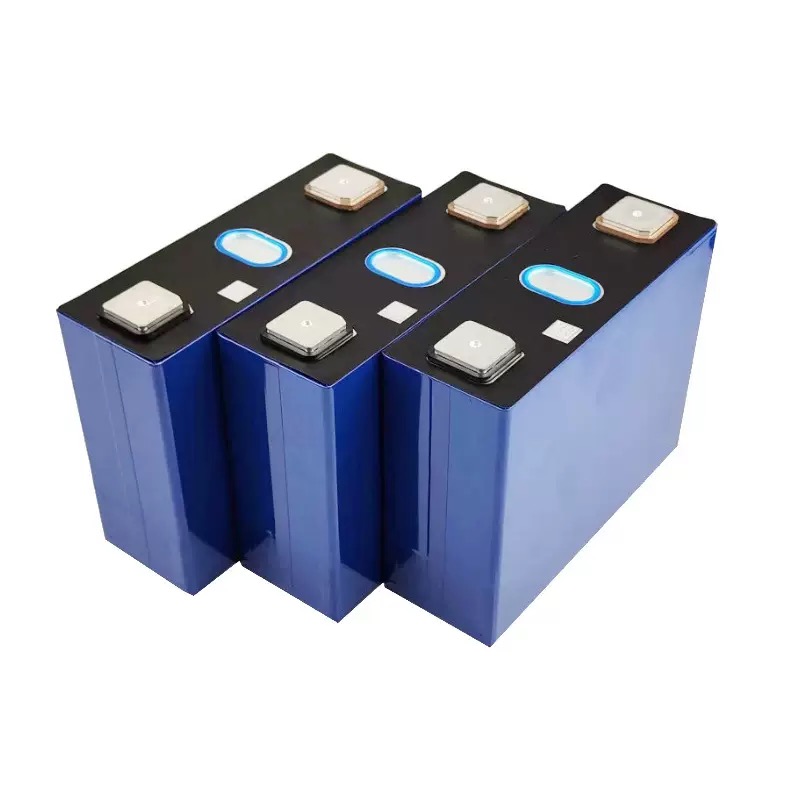
Capacity gap: The 102Ah cell offers 2% extra capacity per unit for extended driving or backup power time.
Size difference: 100Ah cells have thinner, narrower shells, ideal for lightweight, compact battery systems.
Cycle performance: Both share comparable long lifespans, up to 4000 cycles under standard 0.5C charge & discharge conditions.
Low-temperature performance: Consistent discharge capacity retention across -30℃ to 55℃ for both specifications.
Pack cost: 100Ah cells cut overall material and assembly costs for small-scale battery packs; 102Ah reduces the total number of cells needed for large energy storage systems.
Core Parameter Comparison Between 100Ah & 102Ah LFP Cells
Basic Physical Specs
| Item | 100Ah LFP Cel | 102Ah LFP Cell |
| Rated Capacity | 100Ah | 102Ah |
| Nominal Voltage | 3.2V | 3.2V |
| Overall Dimension | 27.5×175×200.4mm | 49.9×160×118.5mm |
| Single Cell Weight | 2070g ±60g | 1970±30g |
| Volume Energy Density | ≥350Wh/L | ≥350Wh/L |
| Mass Energy Density | - | ≥168Wh/kg |
The 100Ah cell adopts a thin, tall profile, which stacks neatly in vertical installation spaces such as light commercial vehicles and small home storage cabinets. The 102Ah cell is wider and flatter, perfect for horizontal layout in passenger EVs and large industrial energy storage cabinets.
Electrical & Power Performance
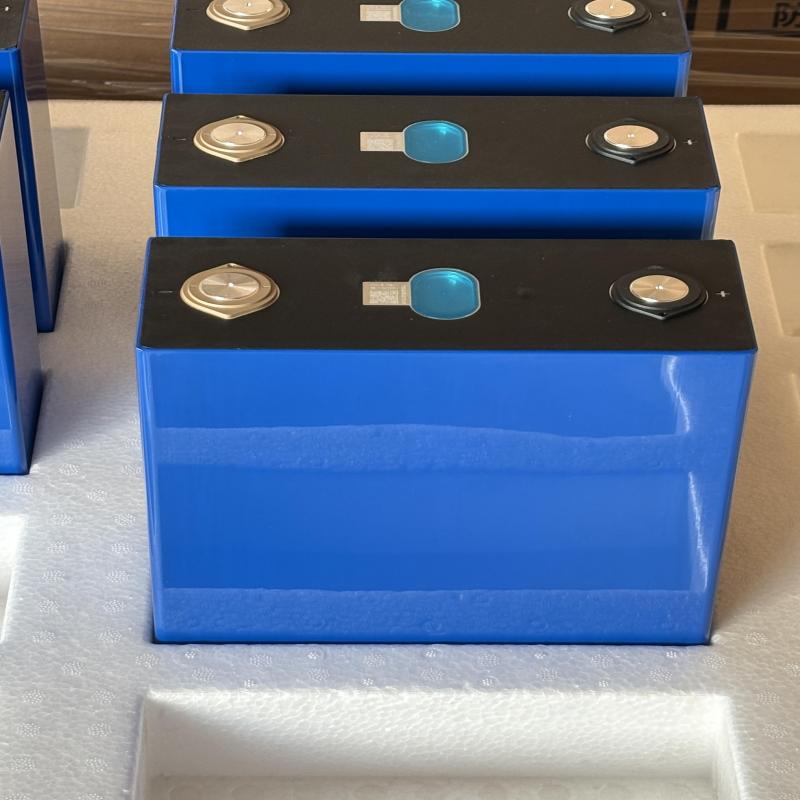
Internal resistance: Both cells maintain low DC internal resistance below 1.5mΩ at 50% SOC, supporting stable high-current pulse discharge.
Cycle life: The 100Ah cell achieves 4000 cycles (80% capacity retention, 25℃, 100% DOD); the 102Ah cell reaches 1500 cycles at 70% capacity retention under standard test conditions.
Temperature adaption: Discharge range covers -30℃ ~ 60℃ for both types, meeting all outdoor and vehicle operating environment requirements.
Fast charging support: Both support stepped fast charging under controlled temperature limits, with adjustable charging current based on ambient temperature.
Safety Standard
Both 100Ah and 102Ah square LFP cells pass full standard safety tests, including overcharge, over-discharge, short circuit, nail penetration, extrusion, high-temperature heating and seawater immersion. All raw materials comply with EU RoHS 10 hazardous substance limits, fully eligible for global export.
Advantages & Suitable Scenarios for 100Ah LFP Cells
Core Strengths
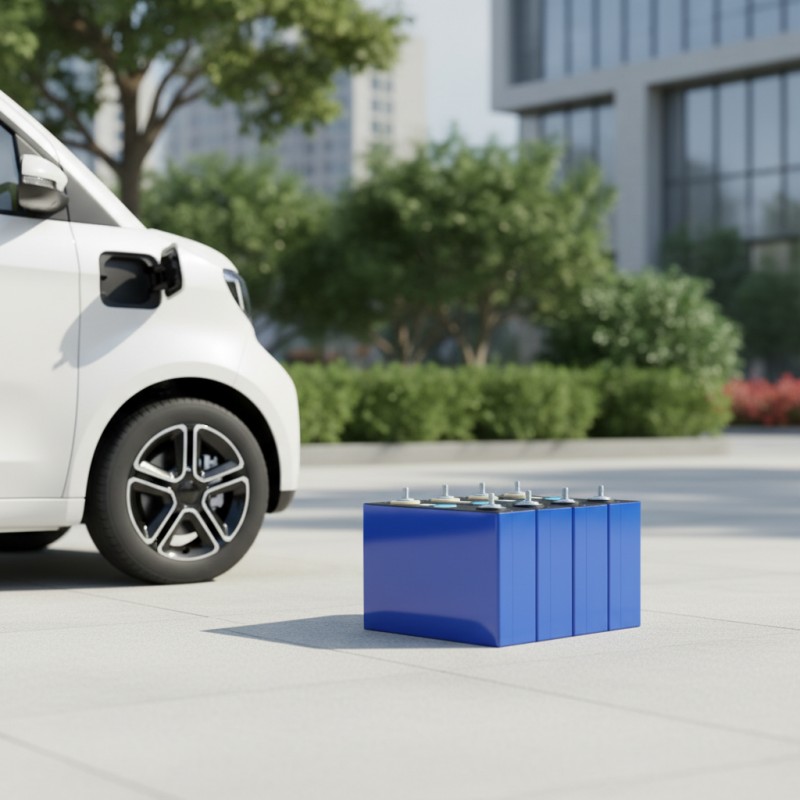
• Compact vertical size saves horizontal layout space;
• Lower single cell weight reduces the total curb weight of finished battery packs;
• Mature mass production lowers unit procurement cost for small batch orders;
• Higher maximum continuous discharge current (4C) supports high-power light equipment.
Best Application Fields
• Small home off-grid energy storage systems
• Low-speed electric vehicles, golf carts and cleaning equipment
• Portable industrial backup power supplies
• Light commercial vehicle auxiliary battery packs
Advantages & Suitable Scenarios for 102Ah LFP Cells
Core Strengths
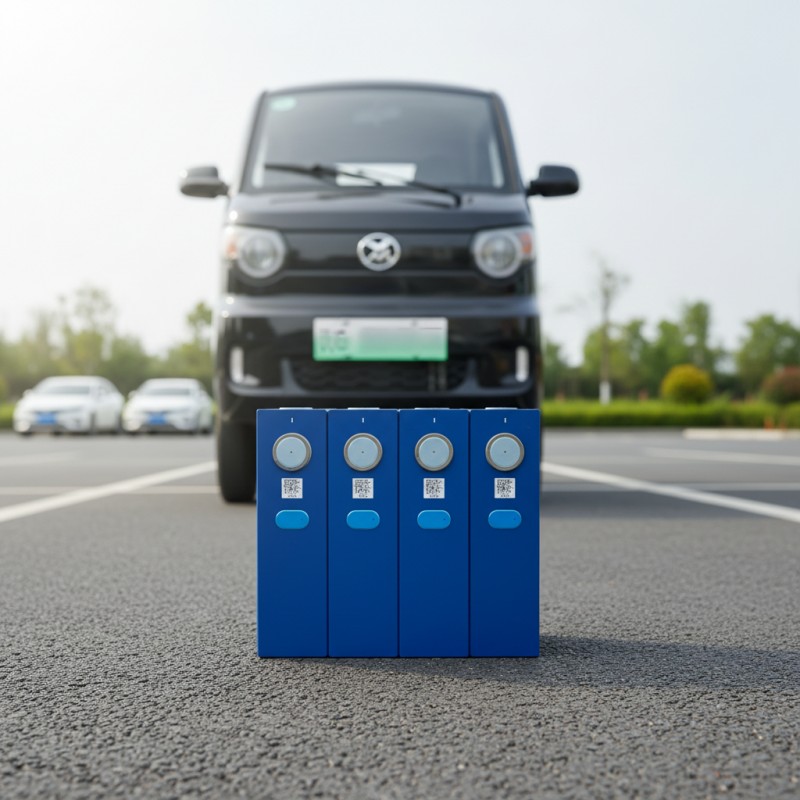
• Extra 2Ah single capacity extends equipment continuous working time;
• Fewer cells required to reach the same total energy, simplifying BMS wiring and pack assembly;
• Flat rectangular design fits the floor battery compartment layout of passenger EVs;
• Stable pulse power output under high and low temperature environments.
Best Application Fields
Passenger electric vehicle main power packs
Large-scale commercial energy storage cabinets
RV and marine long-cycle power systems
Heavy-duty electric machinery power supplies
How to Choose The Right Cell For Your Battery Pack Project
Scenario 1: Pick 100Ah LFP Cell If You Meet Any Of The Following
• Your battery pack has limited horizontal installation width;
• The finished product requires strict lightweight control;
• You produce small-capacity energy storage or low-speed vehicle batteries below 20kWh;
• You need high continuous discharge current for small high-power devices.
Scenario 2: Pick 102Ah LFP Cell If You Meet Any Of The Following
• You need longer continuous running time without expanding pack volume;
• You manufacture passenger EV power packs or large commercial energy storage over 30kWh;
• You hope to reduce the number of cells, connectors and BMS channels to cut assembly failure risks;
• The installation space allows flat horizontal cell arrangement.
Common Misunderstandings When Selecting LFP Cells
Misunderstanding 1: Higher capacity always means better performance
102Ah does not outperform 100Ah in all dimensions. If your pack space only fits thin vertical cells, forcing 102Ah flat cells will lead to space waste, heavier overall weight and higher production costs.
Misunderstanding 2: Higher capacity equals longer cycle life
Cycle life mainly depends on material formula and charge-discharge control strategy, not single-cell capacity. Both cell models maintain long service life when used within official voltage and temperature limits.
Misunderstanding 3: Low-temperature performance differs greatly between the two cells
The discharge capacity retention curves of 100Ah and 102Ah cells are almost consistent at -20℃, -10℃, 25℃ and 55℃. Temperature management of the whole pack plays a bigger role than cell capacity difference.
FAQ
Q1: Can I mix 100Ah and 102Ah cells in one battery pack?
A: Not recommended. Different single-cell capacity and internal resistance will cause inconsistent charge and discharge balance, accelerate capacity attenuation and shorten the overall pack service life.
Q2: What’s the standard warranty lifespan of these two LFP cells?
A: Under proper charge, discharge and storage conditions, the calendar life reaches 5 years for 102Ah cells and over 10 years for 100Ah cells.
Q3: Do both cell models support container sea transportation?
A: Yes. Both are classified as standard lithium storage cells, complete with full UN38.3 test reports and export qualification documents for ocean and air shipment.
Q4: What’s the storage requirement for unused 100Ah / 102Ah LFP cells?
A: Store at 30%~50% SOC within 0℃~45℃, avoid direct sunlight and high-temperature environment, and complete a full charge-discharge cycle every 3 months for long-term stock.
Conclusion
There is no absolute "better" option between 100Ah and 102Ah LFP cells. Your battery pack’s installation space, target total energy, product type and weight limit determine the optimal model.
Select the 100Ah square LFP cell for compact, lightweight small power equipment; opt for the 102Ah cell if you pursue longer runtime and simplified assembly for passenger EVs and large energy storage systems. Always refer to the official datasheet for detailed size, power and charging parameters before finalizing your pack design.

Leave A Message
Scan to Wechat :

Hi! Click one of our members below to chat on