
 English

Our team is committed to providing high-performance energy solutions tailored to your needs. To initiate further communication, kindly submit a formal inquiry for the product(s) of your interest.



Our team is committed to providing high-performance energy solutions tailored to your needs. To initiate further communication, kindly submit a formal inquiry for the product(s) of your interest.
8V‑class lithium batteries are widely deployed across solar storage, light‑duty electric vehicles and industrial equipment. Thanks to mature supporting hardware and balanced electrical performance, this voltage platform works well for many mid‑power projects. We will go over typical real‑world use cases for 48V lithium battery system and share practical selection tips, so you can prevent over‑specification or insufficient capacity in your energy‑storage projects.
Where 48V Lithium Batteries Are Used
A nominal 51.2V LiFePO4 pack (16 cells in series, 44.8V–57.6V operating range) is the standard building block behind most of the applications below:
| Application | Typical Configuration | Why 48V Fits |
|---|---|---|
| Residential solar storage
|
48V / 100–200Ah, 5–10 kWh, hybrid inverter | Matches mainstream hybrid inverter battery inpu
|
| Golf carts & LSVs
|
48V (51.2V) / 100–200Ah, 100A continuous | Drop‑in replacement for 4 ×12V lead acid
|
| Sanitation working vehicle
|
48V / 80‑200Ah, 3.8‑9.8kWh | Stable discharge output for frequent start‑stop working conditions |
| Marine & RV house power | 48V house bank, 100–300Ah | Light weight, deep cycle, low self‑discharge |
Selection Step by Step
Step 1 — Calculate the Energy You Actually Need
Start from daily consumption in kWh, not from a hoped‑for capacity. Multiply the load power by the hours of use and divide by the system efficiency (about 0.9 for a lithium system including inverter losses). Then divide by the depth of discharge you intend to cycle: at 90% DOD a 5.12 kWh module delivers about 4.6 kWh usable, so a household using 8 kWh per day needs roughly two modules, plus a margin for cloudy days.
Step 2 — Match Voltage and Check the DC Window
Confirm the inverter, PCS or DC bus expects a nominal 48V system, and check that its battery operating range covers 44.8V–57.6V. A frequent mistake is pairing a 48V pack with a device that only accepts a narrower window, which causes nuisance low‑voltage alarms even though the battery is healthy.
Step 3— Size the Current, Not Just the Capacity
Capacity decides runtime; current decides whether the pack can actually deliver it. Check the continuous discharge current against your peak load, confirm the peak current and its duration, and confirm the continuous charge current so the pack can be refilled within the available charging window. This point is especially important for golf carts and sanitation vehicles with frequent start‑stop impact load.
Step 4 — Choose the Communication and Monitoring Layer
Decide how the battery will talk to the rest of the system. CAN or RS485 with a pre‑set protocol is the usual route to mainstream hybrid inverters; RS232, Wi‑Fi or Bluetooth handles local monitoring. For fleet deployments of golf cart, sanitation vehicle or residential solar projects, remote monitoring turns scattered sites into one dashboard.
Step 5 — Confirm Installation and Warranty
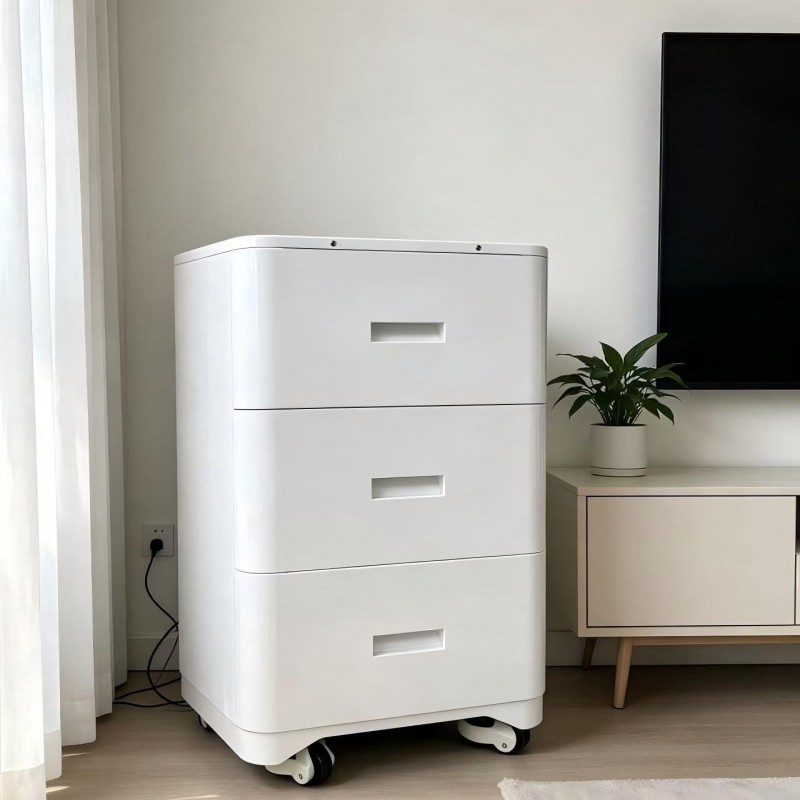
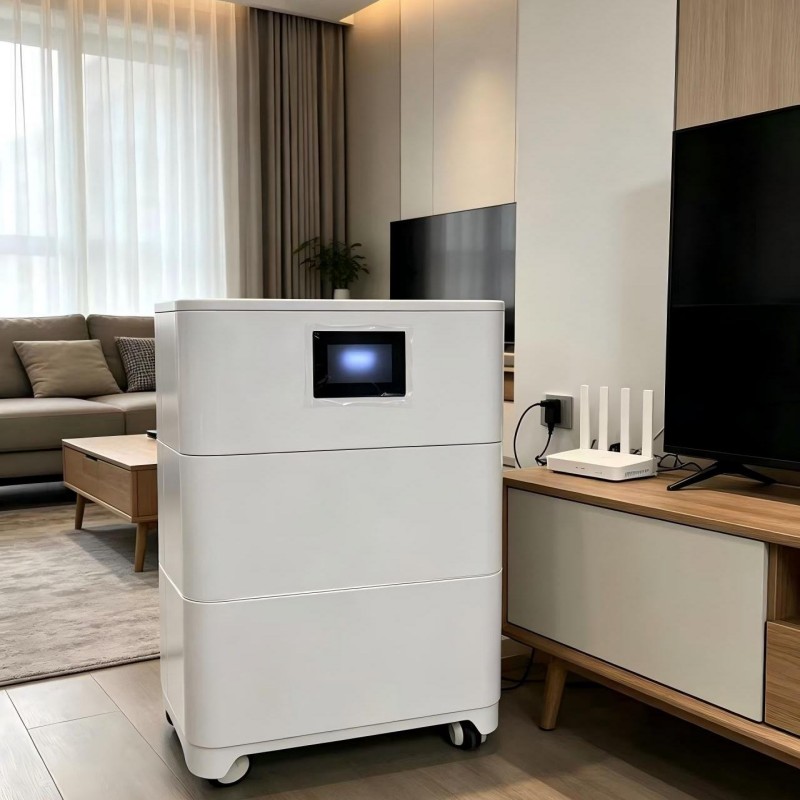
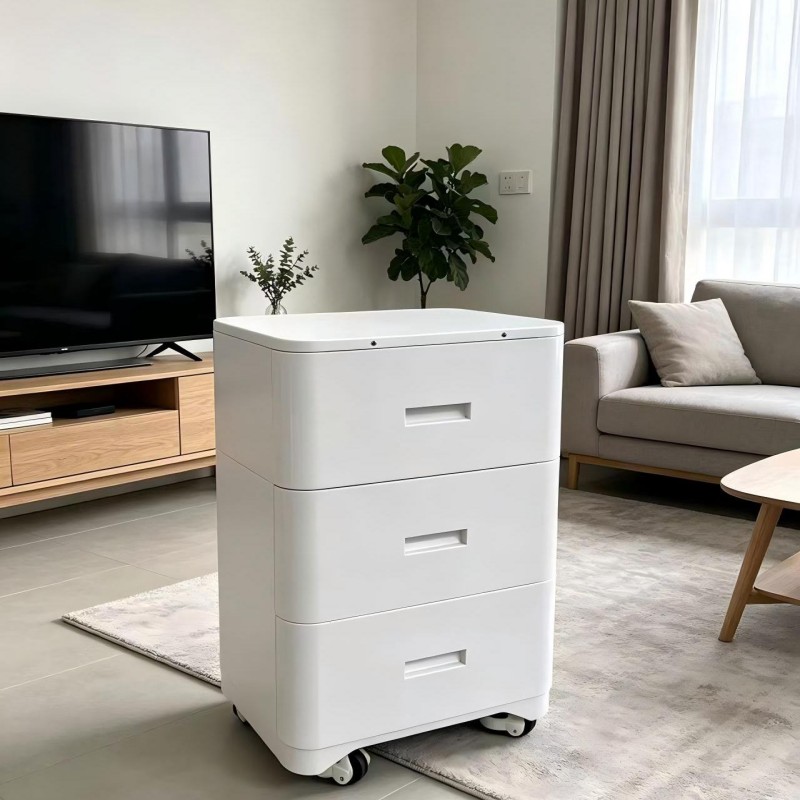
Installation. Floor stacking, wall mounting and 19‑inch rack options cover most sites; check ventilation clearance (200 mm around, 300–500 mm above) and floor load capacity.
Warranty. 5–10 years or 6,000 cycles (whichever comes first) with at least 70–80% capacity retention, and clear terms on storage charge level (40–70%) and topping‑up every 6 months.
Common Sizing Mistakes to Avoid
A Quick Reference Configuration Table
| Daily Demand | Recommended 48V Capacity | Modules (5.12 kWh each) | Typical Use |
|---|---|---|---|
| 3 – 5 kWh | 5.12 kWh | 1 | Small household backup, RV daily power |
| 8 – 12 kWh | 10.24 – 15.36 kWh | 2 – 3 | Residential solar, large‑size RV
|
48V lithium battery applicationscover residential solar storage, golf carts & light‑speed vehicles, sanitation working vehicles, marine and RV power supply. This platform gains wide recognition for standard specifications, modular expandability and broad compatibility with mainstream inverters and vehicle controllers. Choosing well comes down to five steps: calculate real daily energy, match voltage and the DC window, size current as carefully as capacity, pick the right communication layer, and confirm installation and warranty.
As a professional manufacturer and supplier of 48V lithium battery storage solutions, we build 5.12 kWh stacked battery modules for home solar and RV use. Meanwhile we deliver custom‑made 48V battery packs for golf carts and sanitation working vehicles. Our products adopt Tier‑1 LiFePO4 cells, smart BMS, CAN / RS485 communication and support full OEM / ODM customization. Share your daily demand, working condition and equipment model, and we will prepare a configuration, datasheet and quotation for you.
Q1:What scenarios are 48V lithium battery system suitable for?
A:It fits residential solar storage, golf carts & LSVs, sanitation working vehicles, marine and RV house power supply.
Q2:What should I pay attention to when parallel‑connecting multiple 48V battery modules?
A:Modules for parallel use must be same brand, same model and same firmware version. The voltage difference between modules shall be kept below 0.5V before connection.
Q3:What is the key point of sizing 48V lithium batteries?
A:Not only confirm battery capacity, you must check continuous & peak discharge‑charge current. This is critical for golf carts and sanitation vehicles under frequent start‑stop conditions.
Q4:What are the installation requirements for stacked 48V battery modules?
A:Reserve ventilation space of 200 mm around and 300‑500 mm on the top. Check ground bearing capacity for floor‑stacking installation.

Leave A Message
Scan to Wechat :

Hi! Click one of our members below to chat on