
 English
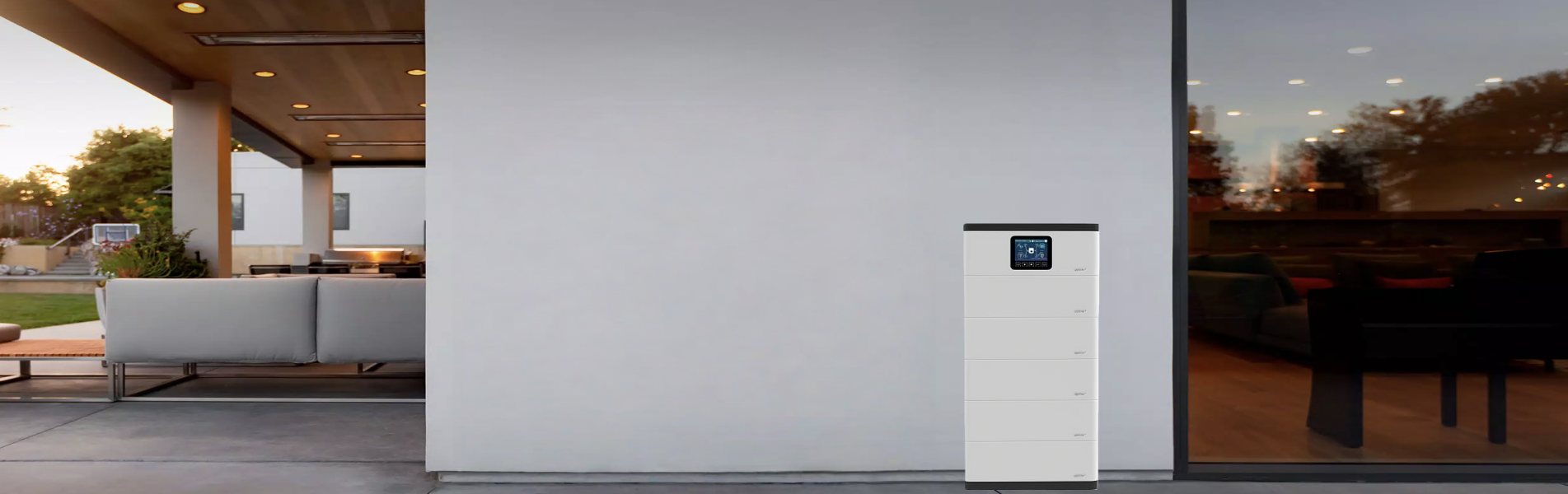
Our team is committed to providing high-performance energy solutions tailored to your needs. To initiate further communication, kindly submit a formal inquiry for the product(s) of your interest.



Our team is committed to providing high-performance energy solutions tailored to your needs. To initiate further communication, kindly submit a formal inquiry for the product(s) of your interest.
Choosing between a LiFePO4 battery and a lead acid battery is one of the first decisions every solar and energy storage project has to make. The real difference is not the price printed on the quotation sheet, but the cost per usable kWh across the whole service life. In most home, commercial and off-grid storage projects today, a LiFePO4 battery vs lead acid battery comparison ends the same way: lithium iron phosphate (LiFePO4) delivers more usable energy, far more cycles and almost no maintenance, at a lower lifetime cost. This guide compares the two chemistries on the parameters that actually decide a project's payback.
At a Glance: Key Parameters
| Comparison Item |
LiFePO4 Battery |
Lead Acid Battery |
| Cycle Life @ 80% DOD | ≥ 6,000 cycles |
300 – 500 cycles |
| Usable Depth of Discharge |
up to 90% – 100% |
about 50% |
| Round-trip Efficiency | ≥ 95% | 70% – 80% |
| Energy Density |
90 – 120 Wh/kg | 30 – 50 Wh/kg |
| Weight for Same Capacity |
about 1/3 of lead acid | baseline |
| Charging Rate |
0.5C – 1C | 0.1C – 0.2C |
| Maintenance |
Maintenance-free, sealed |
Water topping & equalization |
| Operating Temperature |
-20°C ~ 55°C (discharge) |
Narrower range |
| Built-in Protection |
Smart BMS (over-charge / over-discharge / over-current / short circuit / over-temperature) |
Limited, external |
| Upfront Cost | Higher |
Lower |
| Lifetime Cost per kWh | Much lower | Higher |
Why LiFePO4 Wins for Energy Storage
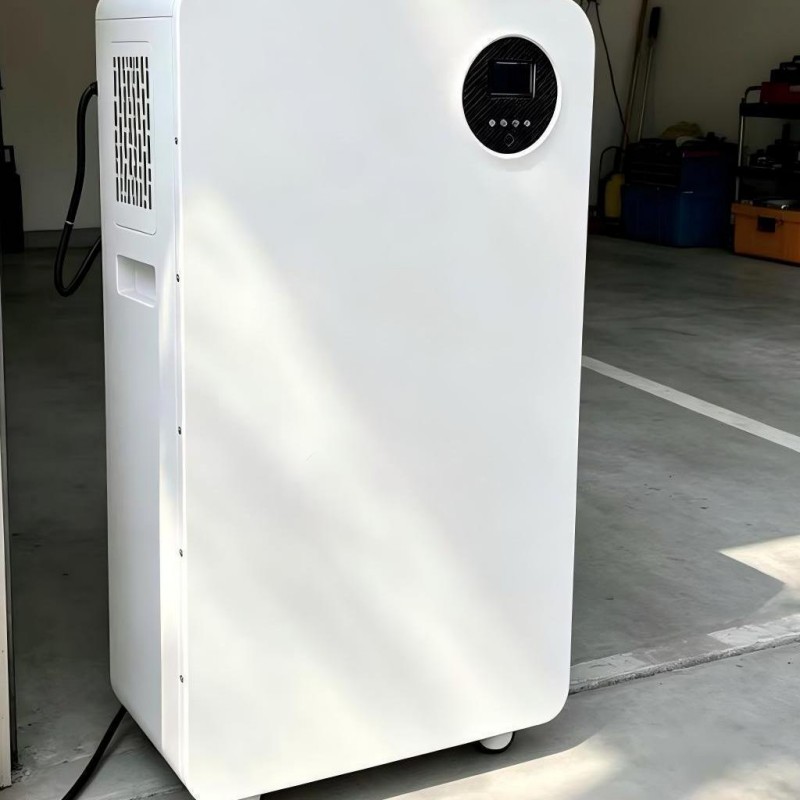
The numbers above translate into five practical advantages that matter most in a storage project:
Much longer cycle life. A quality LiFePO4 cell is rated at ≥ 6,000 cycles at 80% DOD with a ≥ 10–15 year design life, while a lead acid bank usually needs replacing after 300–500 cycles. Over ten years that alone can cut the battery cost per stored kWh by 60% or more.
More usable capacity. LiFePO4 can safely discharge to 90% DOD, so a smaller and lighter battery does the same job as a much larger lead acid bank.
Higher efficiency. ≥ 95% round-trip efficiency against 70–80% for lead acid means less energy is lost as heat on every charge and discharge cycle.
Built-in safety. Each pack carries a smart BMS with cell over-charge (3.65V), over-discharge (2.50V), over-current, short-circuit (1,500A) and over-temperature protection, with an optional IP65 enclosure.
Maintenance-free. No water topping, no equalization, no dedicated ventilated room, and a wide operating range from -20°C to 55°C.
When Lead Acid Still Makes Sense
Lead acid is not a bad technology — it is simply a mature, low-cost chemistry. It can still fit very low-budget, short-term or low-duty applications: a temporary backup set, a small off-grid lighting system, or equipment that will be replaced within two to three years. The moment a project starts cycling daily, however, the extra space, weight, ventilation, water topping and early replacement quietly erase the initial saving.
How to Choose the Right LiFePO4 Battery System
If you have decided on LiFePO4, the next step is to size the system correctly. Five parameters decide whether the installation will be smooth:
1. Voltage. A 48V LiFePO4 battery system (nominal 51.2V) is the mainstream choice for home and commercial storage. Always confirm the inverter's nominal battery voltage matches.
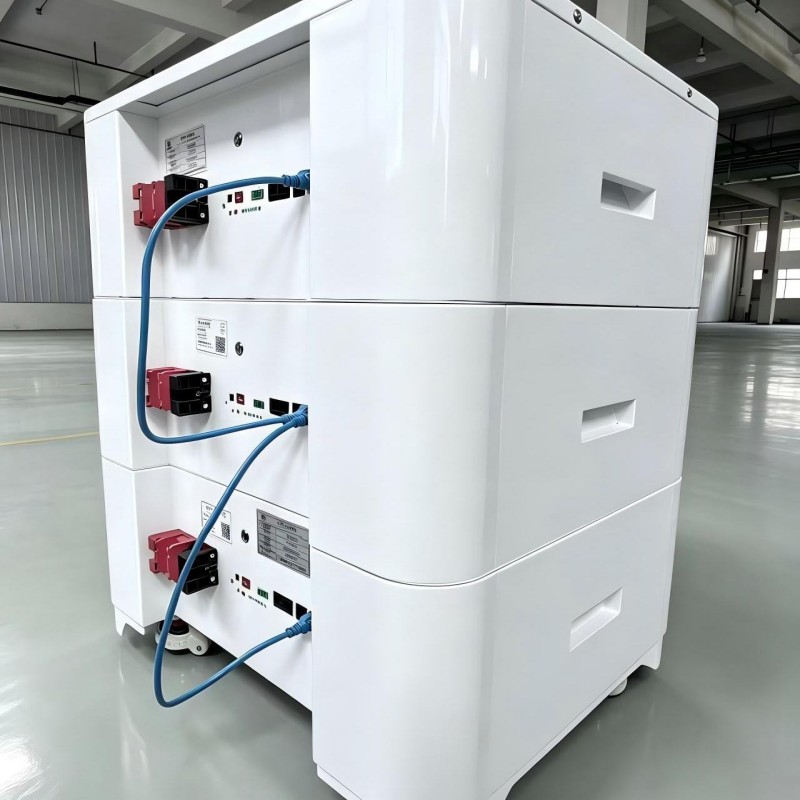
2. Capacity and scalability. Start from a 5.12 kWh module and stack one to six modules to reach 30.72 kWh without an extra cabinet; or choose an all-in-one 10.24 kWh unit that combines battery, PCS inverter, MPPT and EMS for plug-and-play installation.
3. Inverter compatibility. Look for CAN / RS485 communication with pre-set protocols for mainstream brands such as Deye, Growatt, Goodwe, Solis, Victron Energy, SMA, Sungrow, SAJ and Voltronic.
4. Certification and shipping. Require a UN38.3 test report and MSDS.
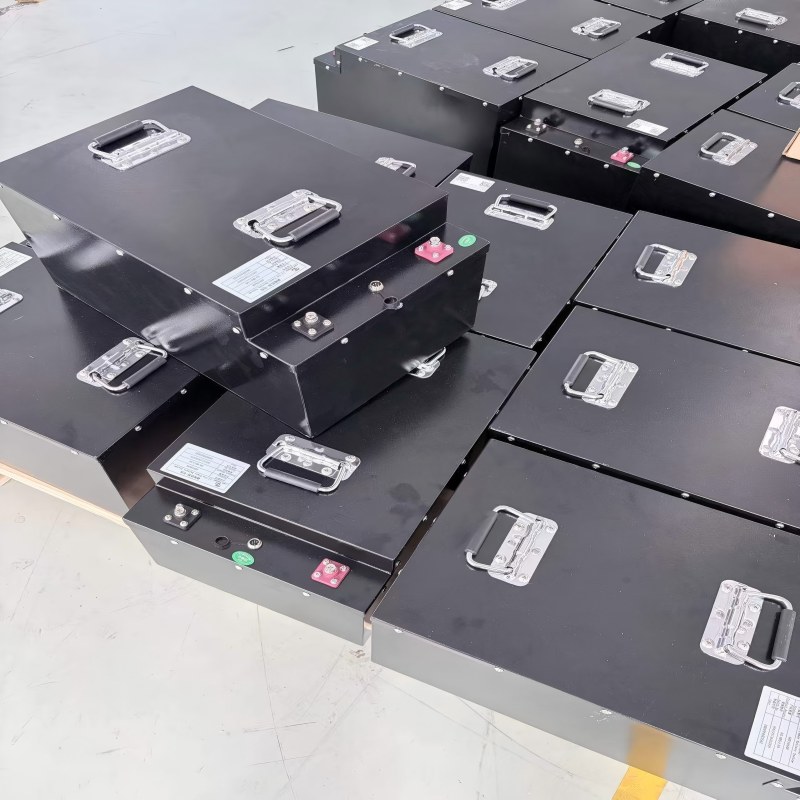
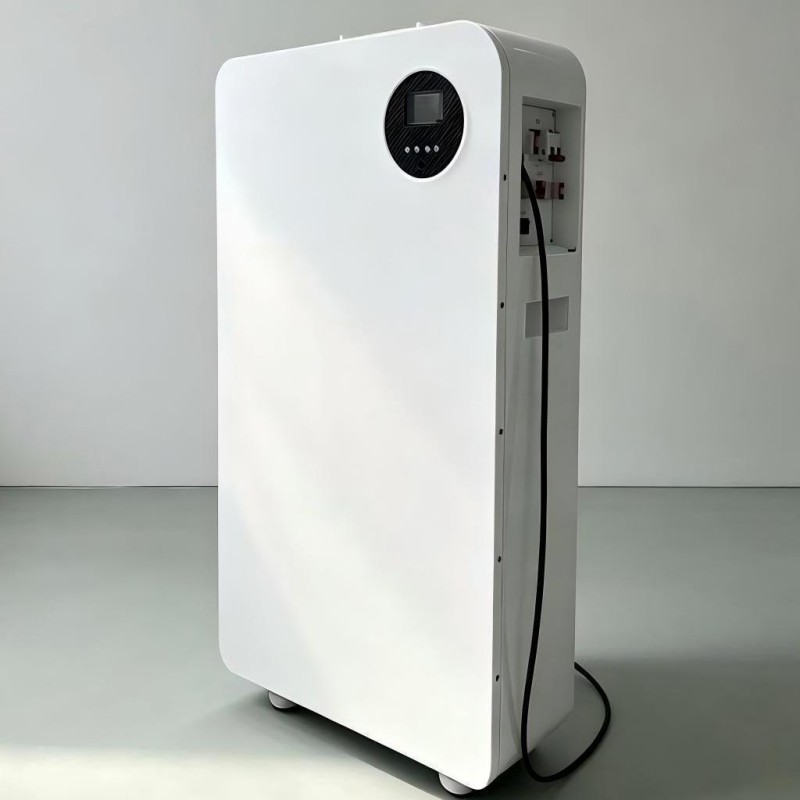
For almost any solar or energy storage project that runs every day, a LiFePO4 battery for solar energy storage is the better long-term investment: more usable energy, around ten times the cycle life, virtually no maintenance, and a far lower cost per usable kWh. Lead acid still has a place at the very bottom of the budget, but it rarely wins once the whole service life is counted.
As a professional LiFePO4 battery manufacturer and supplier in China, we build 5.12 kWh stacked battery modules and 10.24 kWh all-in-one PCS storage systems for residential, commercial and off-grid projects. We support OEM / ODM customization — from capacity and communication protocol to enclosure, logo and packaging — and provide samples, datasheets and project quotations. Tell us your load, backup hours and inverter brand, and we will recommend the right configuration for you.

Leave A Message
Scan to Wechat :

Hi! Click one of our members below to chat on