
 English
Our team is committed to providing high-performance energy solutions tailored to your needs. To initiate further communication, kindly submit a formal inquiry for the product(s) of your interest.



Our team is committed to providing high-performance energy solutions tailored to your needs. To initiate further communication, kindly submit a formal inquiry for the product(s) of your interest.
Selecting the right forklift battery for warehouse operations affects daily productivity, operating costs, and maintenance schedules. With multiple chemistries and voltage options available, making an informed choice requires understanding a few key factors.
Determine Your Voltage and Capacity Requirements
Most warehouse forklifts operate on 48V, 72V, or 80V systems. The 80V 330Ah lithium forklift battery for warehouse operations is a common choice for medium to heavy duty electric forklifts, including counterbalance models and reach trucks. To determine the right capacity, calculate your typical shift length and energy consumption. A 330Ah pack generally supports 5-7 hours of continuous use, depending on lift height and load weight.
Choose Between Lead Acid and Lithium
Lead acid batteries have a lower upfront cost but require regular maintenance. Each shift needs 8 hours of charging followed by 8 hours of cooling. This often means buying two batteries per forklift for double shift operation.
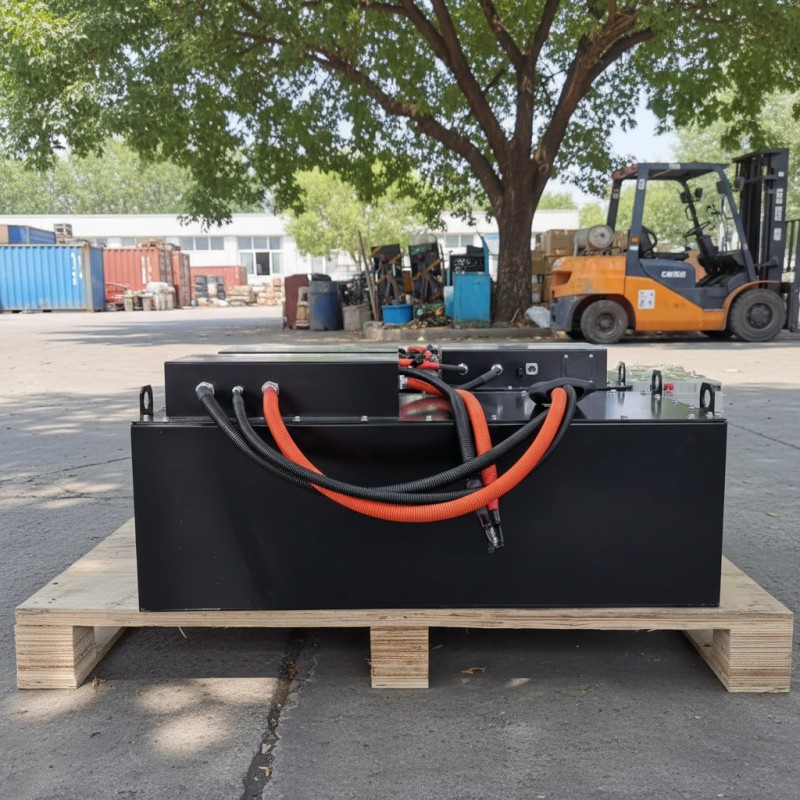
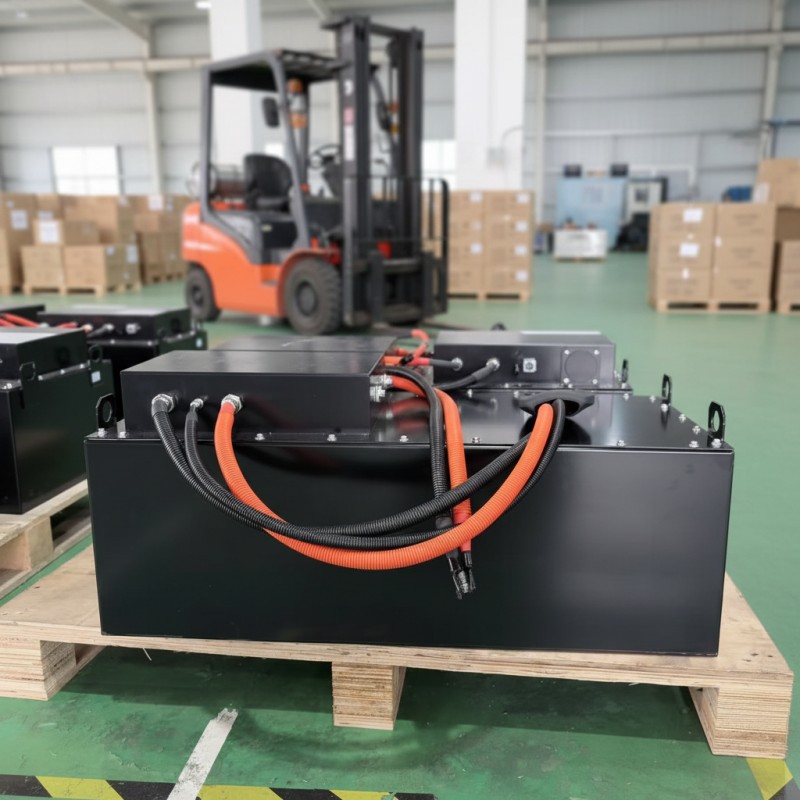
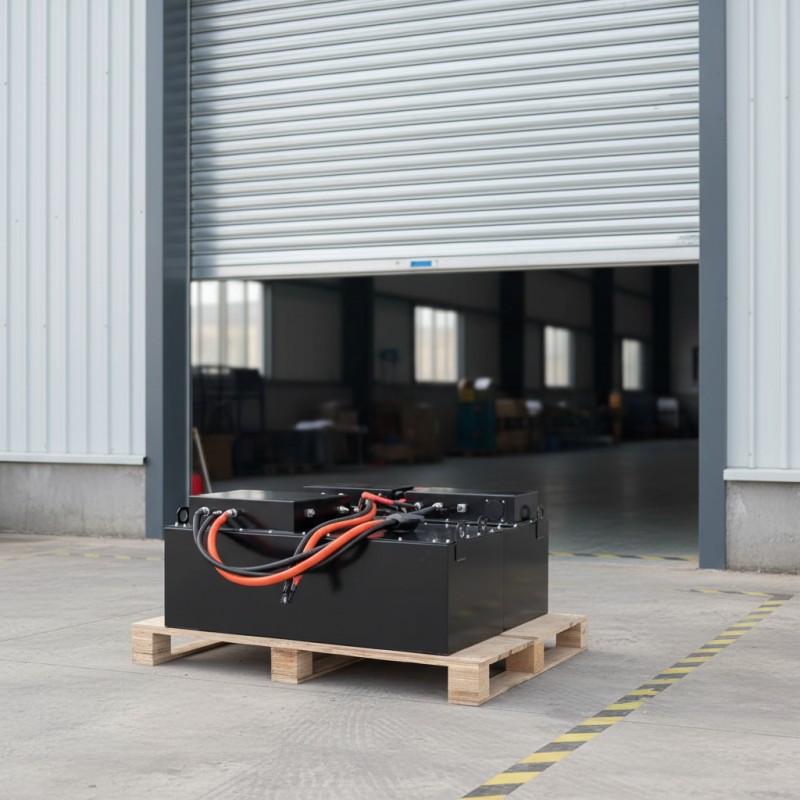
Lithium batteries, such as the 80V 330Ah LFP traction battery for warehouse distribution, require no watering or equalization charges. They support opportunity charging, so a single battery can cover multiple shifts with brief top-ups during breaks. The higher initial investment is typically recovered within 18-24 months through reduced labor, energy savings, and longer service life.
Check the Battery Management System (BMS)
A quality BMS protects the battery from overcharge, over-discharge, overcurrent, and extreme temperatures. It also balances individual cells to maximize cycle life. For warehouse use, look for a BMS that provides real-time data via CAN bus, including state of charge, temperature, and fault alerts. This allows fleet managers to monitor battery health from a central system.
Consider the Physical Fit
Not all forklift battery compartments are the same size. The 80V 330Ah industrial lithium battery for warehouse logistics typically measures 880mm in length, 480mm in width, and 387mm in height. Always verify your forklift model's battery compartment dimensions before purchasing. Also confirm the connector type (REMA, SBX, or others) matches your truck.
Evaluate Cycle Life and Warranty
Cycle life directly impacts total cost of ownership. A quality LiFePO4 battery delivers 1200 cycles at 80% depth of discharge. For a single shift operation, this equals roughly 5-6 years of service. Look for a warranty of at least 3 years that covers defects and capacity degradation below 70% of rated capacity.
Choosing a forklift battery for warehouse operations involves matching voltage and capacity to your equipment, comparing upfront cost against long-term savings, and verifying physical fit. An 80V 330Ah lithium forklift power system with a smart BMS and strong cycle life offers a reliable, low-maintenance solution for most warehouse environments.

Leave A Message
Scan to Wechat :

Hi! Click one of our members below to chat on