
 English

Our team is committed to providing high-performance energy solutions tailored to your needs. To initiate further communication, kindly submit a formal inquiry for the product(s) of your interest.



Our team is committed to providing high-performance energy solutions tailored to your needs. To initiate further communication, kindly submit a formal inquiry for the product(s) of your interest.
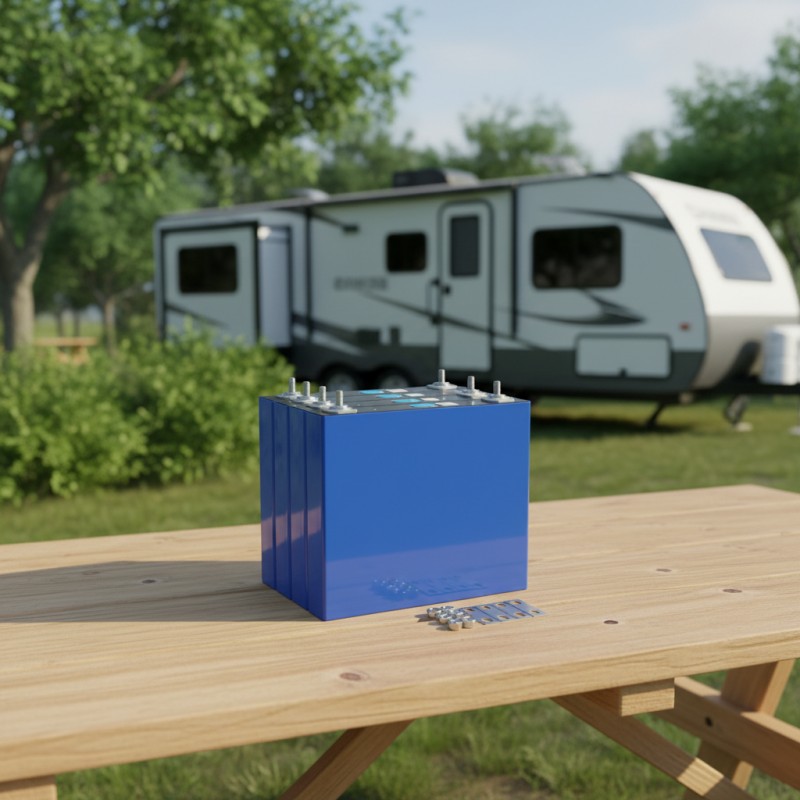
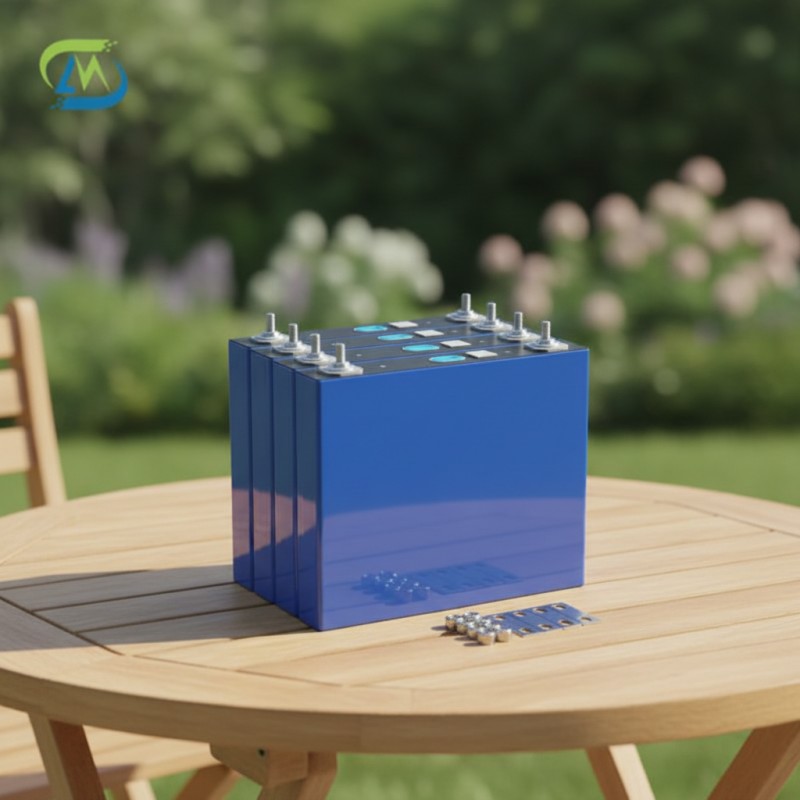
For commercial energy storage, off‑grid power systems and industrial backup power projects, long‑term maintenance costs often account for a large part of total operating expenses. Traditional lead‑acid batteries and ordinary lithium cells require frequent inspection, replacement and after‑sales support, which increases operational pressure for system integrators and end users. As a high‑capacity prismatic lithium iron phosphate cell, the LF206 LFP cell effectively cuts long‑term maintenance costs through its superior core performance.
Longer Cycle Life Reduces Frequent Replacement
LF206 prismatic LFP cells deliver more than 4000 cycles at 25℃ with over 80% capacity retention, far exceeding lead‑acid batteries and low‑quality lithium cells. Less frequent battery replacement means fewer procurement costs, labor costs for disassembly and installation, and less downtime for energy storage systems. For long‑run energy storage projects, this greatly reduces periodic maintenance expenses.
Ultra‑Low Self‑Discharge Minimizes Daily Management Work
With low self‑discharge performance, LF206 cells keep stable capacity after long‑term storage. It avoids regular charge‑discharge maintenance and capacity calibration required by ordinary batteries. Users do not need to spend extra manpower on daily battery inspection, charge replenishment and status monitoring, lowering daily maintenance labor costs.
High Safety Cuts Down Safety‑Related Maintenance Risks
LF206 cells pass strict abuse tests including overcharge, short circuit, crush and thermal runaway. With no fire or explosion risks under abnormal conditions, it avoids maintenance work caused by safety failures, such as troubleshooting damaged modules, handling battery faults and replacing defective units. Stable performance also reduces after‑sales service frequency.
Wide Temperature Adaptability Lowers Environmental Control Costs
Supporting stable operation in‑35℃ to 65℃, LF206 cells reduce the demand for strict constant‑temperature equipment and complex heat dissipation systems in energy storage stations. There is no need to configure high‑cost air‑conditioning and temperature control facilities for batteries, cutting long‑term energy consumption and maintenance costs of auxiliary equipment.
Stable Consistency Reduces Module Maintenance Work
Strict production control ensures high consistency among LF206 cells. When assembled into battery packs, it avoids imbalance issues like overcharge and overdischarge caused by inconsistent cells. It reduces BMS adjustment, cell matching and module maintenance work in later stages, simplifying system operation management.
By extending service life, improving stability, enhancing safety and optimizing adaptability, LF206 LFP cells effectively reduce replacement frequency, labor input, safety risks and auxiliary equipment costs. For energy storage project investors and system integrators, choosing LF206 is an efficient way to cut long‑term maintenance costs and improve overall project return on investment.
FAQ
Q1: What is the cycle life of the LF206 LFP cell, and how does it cut replacement costs?
A: The LF206 square lithium iron phosphate cell achieves a cycle life of over 4000 cycles with more than 80% capacity retention at 25°C. It far outperforms lead-acid batteries and low-quality lithium cells. The ultra-long cycle life greatly reduces battery replacement frequency, directly saving recurring procurement costs, labor costs for disassembly and installation, and avoiding economic losses caused by energy storage system shutdowns, which significantly lowers the long-term periodic O&M costs of energy storage projects.
Q2: Does the LF206 cell require frequent daily maintenance?
A: No. The LF206 cell features an ultra-low self-discharge rate and maintains stable capacity after long-term static storage. Unlike ordinary batteries that require frequent charge-discharge maintenance and capacity calibration, this cell eliminates the need for daily manual inspection, supplementary charging, and frequent status monitoring. It effectively reduces daily manpower investment and routine operation and management costs for energy storage systems.
Q3: How does the LF206 cell reduce maintenance costs caused by safety failures?
A: The LF206 LFP cell has passed strict safety tests including overcharge, short circuit, extrusion, and thermal runaway tests. It will not catch fire or explode under abnormal working conditions. Its excellent and stable safety performance avoids frequent operation problems such as module failure, component damage, and system abnormalities. It greatly reduces the frequency of after-sales maintenance, fault troubleshooting, and parts replacement, and saves additional safety maintenance costs for energy storage projects.
Q4: What are the advantages of the LF206 cell in extreme temperature environments?
A: The LF206 cell supports stable operation in a wide temperature range of -35℃ to 65℃. It adapts to various harsh outdoor and industrial working environments. Energy storage stations equipped with this cell do not need to install high-cost air conditioning and constant temperature heat dissipation auxiliary equipment. It reduces the initial investment of temperature control hardware, as well as the later energy consumption and maintenance costs of auxiliary equipment, realizing further optimization of long-term operating costs.
Q5: How does high cell consistency lower later module maintenance difficulty?
A: The LF206 cell adopts strict production and quality control standards with excellent single-cell consistency. After battery assembly, it effectively avoids common problems such as overcharge, over-discharge, and voltage imbalance caused by individual cell differences. It reduces frequent BMS parameter debugging, cell matching, and module overhaul work in the later stage, simplifies the overall system operation management process, and lowers professional maintenance thresholds and labor costs.

Leave A Message
Scan to Wechat :

Hi! Click one of our members below to chat on